



เครื่องระเหยแบบ MVR กับเครื่องระเหยแบบหลายขั้นตอน: เหตุใดการเลือกใช้พลังงานจึงมีความสำคัญ
เวลาวางจำหน่าย
2026-05-18 18:02

MVR Evaporator vs Multi-Effect Evaporator: Why the Energy Choice Matters
For industrial plants dealing with high-salinity wastewater, the evaporator you choose determines whether you're spending money or saving it — every single month. Yet many facility managers keep relying on multi-effect evaporators without realizing the hidden costs accumulating on their utility bills.
The Steam Cost Problem That Keeps Getting Worse
Multi-effect evaporators work by using fresh steam in the first effect, then reusing the vapor from that stage to feed the next effect. Three-effect systems typically need 0.4-0.5 kg of fresh steam per kg of water evaporated. For a plant processing 10 tons per hour, that translates to 4-5 tons of fresh steam hourly — at current energy prices, the numbers add up fast.
Traditional systems also face a compounding problem: as the concentrate thickens through each effect, viscosity increases and heat transfer efficiency drops. Operators compensate by feeding more steam, creating a cycle of rising costs. There's also the issue of scaling — mineral deposits form on heat exchange surfaces, forcing shutdowns for chemical cleaning that can stretch over days.
The real problem isn't the daily operating cost. It's that these costs are invisible — folded into utility bills, maintenance budgets, and unplanned downtime. Plants don't realize they're paying a "steam tax" every hour their evaporator runs.

How Mechanical Vapor Recompression Changes the Equation
MVR (Mechanical Vapor Recompression) evaporators take a fundamentally different approach. Instead of generating fresh steam at each effect, the system captures the vapor produced during evaporation, recompresses it using an electrically driven compressor, and returns it to the heat exchange surface as the heating medium.
The difference is dramatic. Where a three-effect evaporator requires 0.4-0.5 kg of fresh steam per kg of water evaporated, an MVR system typically needs only 0.01-0.03 kWh of electricity per kg — representing a 30-60% reduction in total energy input for most applications.
Here is how it works in practice:
- Waste vapor leaves the evaporator body at 80-100°C
- A centrifugal or roots-type compressor raises the vapor temperature by 5-10°C
- This slightly superheated vapor returns to the heating tubes as fresh energy
- The compressor's electrical input is the only external energy source needed
No boiler is required. No fresh steam supply. No combustion process at all in the evaporator itself. The energy source shifts from thermal (steam) to electrical (motors), and electricity costs significantly less per unit of evaporation than steam generation.
When MVR Delivers the Greatest Savings
MVR evaporators aren't universally better — the economics depend heavily on three factors.
Concentration ratio matters most. Plants that need to concentrate wastewater from 5% TDS to 25% or higher see the biggest savings because MVR systems maintain consistent heat transfer efficiency throughout the concentration range. Multi-effect systems lose efficiency as viscosity increases, while MVR systems stay relatively stable.
Operating hours are the second factor. A plant running 8 hours per day may not justify MVR investment, but continuous operations of 16-24 hours per day make the energy savings accumulate rapidly. At 8,000+ operating hours per year, the payback period on MVR's higher upfront investment typically falls within 2-4 years.
Electricity versus steam pricing is the third consideration. MVR makes economic sense when electricity costs are below roughly 0.08 USD/kWh or when steam costs exceed 50 USD per ton. Plants in regions with industrial steam pricing above 80 USD per ton frequently see MVR payback under three years.
For wastewater streams in chemical processing, pharmaceutical manufacturing, and food production — where high-salinity streams require continuous evaporation — MVR systems consistently outperform multi-effect alternatives on total cost of ownership over a five-year period.
Why WTEYA Builds MVR Systems for Real-World Conditions
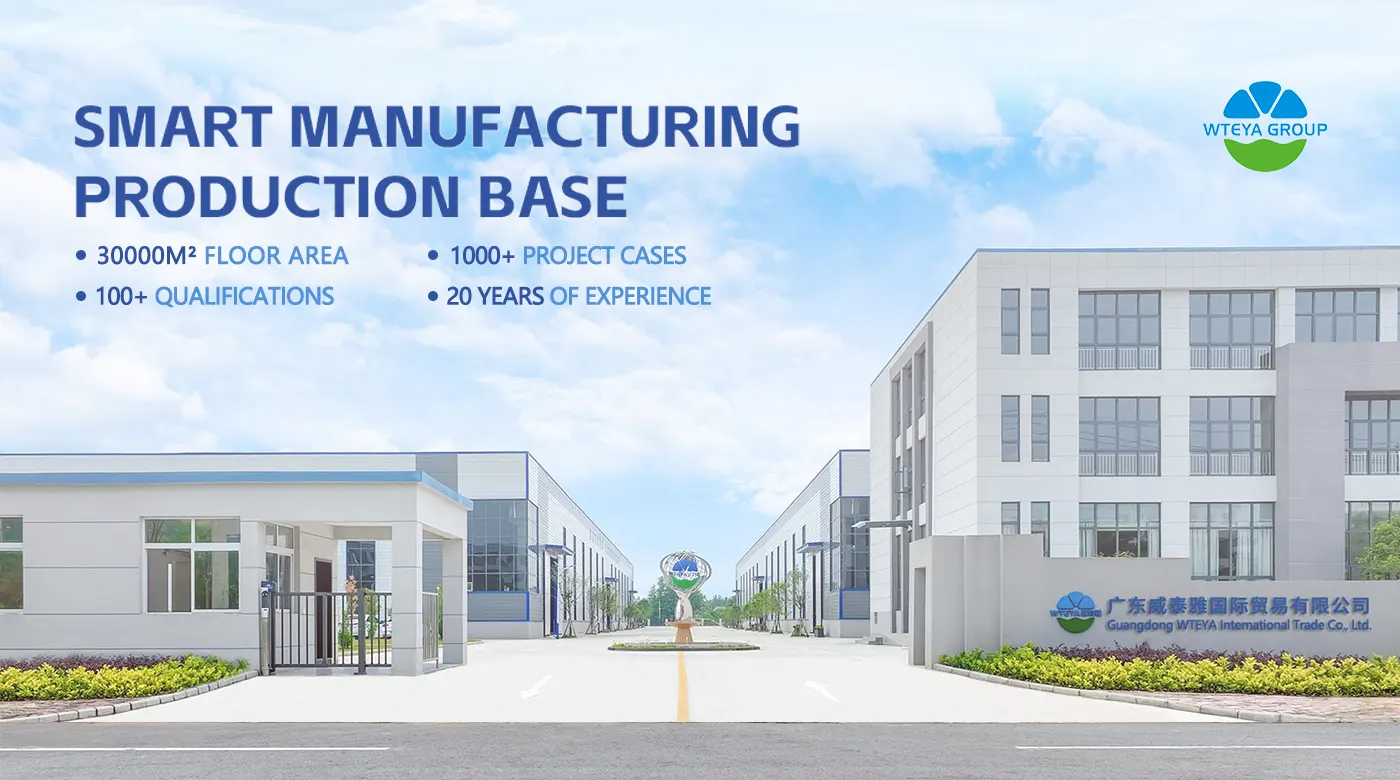
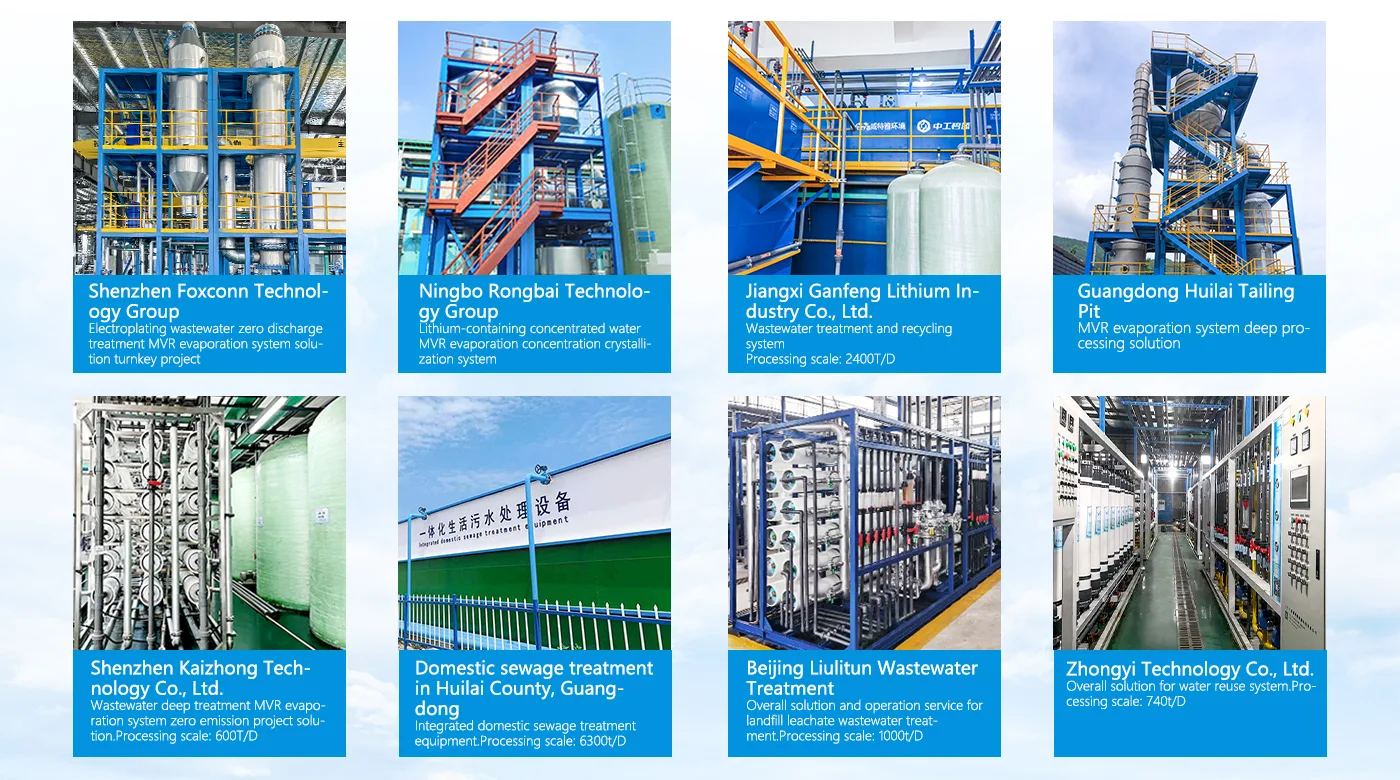
WTEYA has nearly 20 years of experience designing and manufacturing MVR evaporation systems for industrial wastewater treatment. Their engineering team sizes compressors and heat exchange surfaces based on actual wastewater composition, not generic specifications. This means accounting for scaling potential, foaming tendency, and thermal sensitivity of specific process streams.
Their MVR evaporators incorporate fouling-resistant tube geometries, automated cleaning systems, and variable-frequency compressor drives that adjust output to match actual load conditions — features that directly address the maintenance headaches that make multi-effect systems unreliable in practice.
WTEYA serves clients in petrochemical, battery manufacturing, metallurgy, and food processing industries. For plants where wastewater evaporation is a continuous, mission-critical process, getting the energy choice right from the start avoids years of unnecessary operating costs.
Frequently Asked Questions
Q: What is an MVR evaporator?
A: MVR (Mechanical Vapor Recompression) evaporator is an energy-efficient evaporation technology that reduces energy consumption by 30-50% compared to traditional evaporation.
Q: How much energy can MVR save?
A: MVR evaporators typically reduce energy consumption by 30-50% compared to traditional multi-effect evaporators, using electricity instead of steam.
Q: What is the difference between MVR and multi-effect evaporator?
A: MVR uses mechanical vapor recompression for energy efficiency, while multi-effect evaporators use multiple evaporation stages. MVR has lower operating costs.
Ready to Start Your Project?
Looking for a customized solution for MVR evaporation? Our team of experts is ready to help you design the most cost-effective and energy-efficient system for your specific needs.
Contact us today to discuss your project requirements and get a personalized quote.
📱 WhatsApp: +86-1800 2840 855
✉ Email: info@vteya.com
🌐 Website: www.vteya.com
ข้อมูลที่เกี่ยวข้อง
ข้อพิจารณาสำคัญในการออกแบบเครื่องระเหยแบบ MVR มีอะไรบ้าง?
อะไรคือข้อพิจารณาสำคัญในการออกแบบเครื่องระเหยแบบ MVR? เครื่องระเหยแบบ MVR เป็นอุปกรณ์ที่ปรับแต่งเฉพาะตามความต้องการอย่างสูง คุณภาพของการออกแบบจะเป็นตัวกำหนดว่าระบบทำงานได้อย่างเสถียรหรือไม่ และใช้พลังงานมากน้อยเพียงใด
การเปรียบเทียบเทคโนโลยีการบำบัดน้ำเสียที่มีความเค็มสูง
เปรียบเทียบเทคโนโลยีการบำบัดน้ำเสียที่มีความเค็มสูง น้ำเสียที่มีความเค็มสูงเป็นหนึ่งในสายธารที่ยากต่อการบำบัดที่สุด เนื่องจากระดับเกลือที่สูงกว่า 20,000 มิลลิกรัมต่อลิตรจะยับยั้งกิจกรรมทางชีวภาพ ทำให้กระบวนการทางชีวภาพแบบดั้งเดิมล้มเหลวอย่างรวดเร็ว
การเปรียบเทียบเทคโนโลยีการบำบัดน้ำเสียที่มีความเค็มสูง
น้ำเสียที่มีความเค็มสูง—ซึ่งมีปริมาณของแข็งละลายทั้งหมด (TDS) ตั้งแต่ 2% ขึ้นไป (20,000 มก./ล.)—เป็นหนึ่งในสายธารน้ำเสียที่ยากต่อการบำบัดที่สุดในอุตสาหกรรมสมัยใหม่ เนื่องจากระดับเกลือดังกล่าวส่งผลให้กิจกรรมของจุลินทรีย์ลดลง กระบวนการทางชีวภาพแบบดั้งเดิมจึงไม่สามารถบำบัดน้ำเสียประเภทนี้ได้โดยตรง
การบำบัดน้ำชะล้างจากหลุมฝังกลบ: โซลูชันแบบครบวงจร
การบำบัดน้ำชะล้างจากหลุมฝังกลบ: โซลูชันครบวงจร น้ำชะล้างจากหลุมฝังกลบถือเป็นน้ำเสียที่มีความท้าทายสูงที่สุดในโรงงานบำบัดของเสีย โดยมีค่าโหลดสารอินทรีย์สูง ปริมาณแอมโมเนียหนัก คุณภาพน้ำที่ผันผวน และความสามารถในการย่อยสลายทางชีวภาพที่ลดลงตามอายุของหลุมฝังกลบ
เครื่องระเหยแบบ MVR มีราคาเท่าไร?
เครื่องระเหยแบบ MVR มีราคาเท่าไร? เครื่องระเหยแบบ MVR เป็นอุปกรณ์ที่ผลิตตามสั่งและไม่ได้มาตรฐานทั่วไป ดังนั้นจึงไม่มีราคาตายตัวเพียงราคาเดียว
ตลาดน้ำเสียของตุรกี: พันธมิตรการระเหย WTEYA
ตลาดน้ำเสียของตุรกี: พันธมิตรด้านการระเหยของ WTEYA ลูกค้าชาวตุรกีรายหนึ่งซึ่งเชี่ยวชาญด้านการเตรียมน้ำก่อนการบำบัดและโซลูชันทางเคมี ได้เดินทางมาเยือน WTEYA เมื่อไม่นานมานี้ โดยเน้นย้ำถึงความต้องการที่เติบโตอย่างรวดเร็วต่อเทคโนโลยีการระเหยและการปล่อยของเหลวเป็นศูนย์ในตลาดการบำบัดน้ำเสียของตุรกี
Guangdong wteya environmental Technology Co., Ltd
ติดต่อเรา
WhatsApp+86 1800 2840 855
โทร: +86-0769-28636053
+86-0769-28636126
อีเมล์: info@wteya.com
เพิ่ม: ชั้น 14 อาคาร F4 เมืองดิจิทัล TianAn
เขตหนานเฉิง ตงกวน กวางตุ้ง จีน